Independent writing on tax-smart planning, mortgage strategy, and retirement building. For Canadian professionals who want the whole picture, not just a piece of it.
Trump's Forced Labour Tariff Replaces 10% Baseline, Canada Still on the List
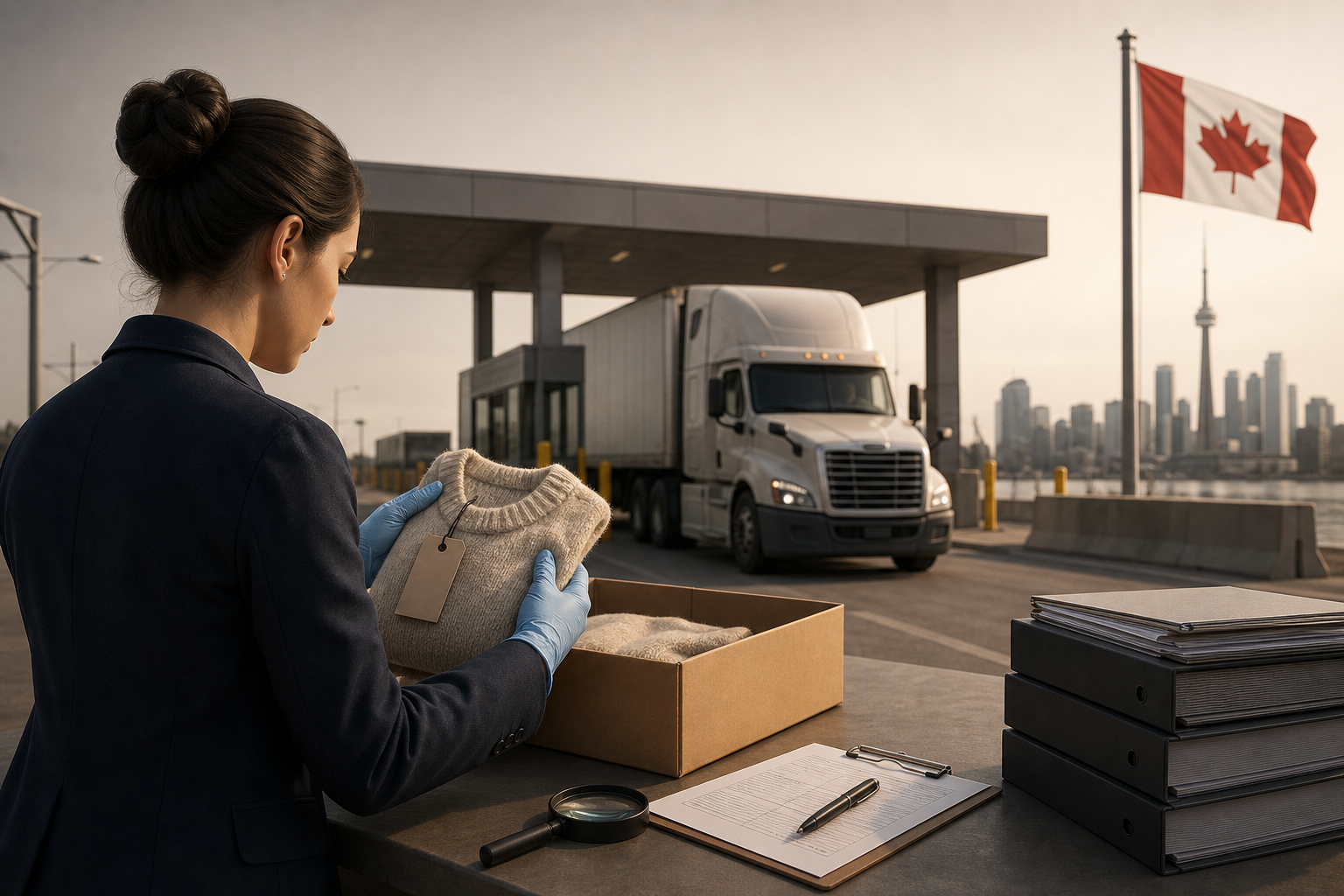
The Friday deadline passed, and the old tariff evaporated. What replaced it isn't lighter, it's sharper. President Trump's new forced labour tariff regime targets dozens of nations with duties tied explicitly to supply-chain enforcement records, swapping the broad 10 per cent global baseline for something that looks less like a blanket and more like a cudgel.
Canada made the list.
That's the detail that should make anyone tracking North American trade sit up. Under CUSMA, most Canadian exports were supposed to enjoy duty-free access to the U.S. market, nearly $1.3 trillion (CAD) in bilateral trade flows through that channel annually, with roughly three-quarters of Canadian exports headed south. The agreement doesn't prohibit the U.S. from imposing tariffs entirely, but it's designed to make them rare and narrow. Forced labour enforcement, as a lever, bypasses those constraints entirely. Human rights are politically untouchable, and opposing the tariff without appearing soft on exploitation is nearly impossible.
The Shift From Blanket Protectionism to Values-Based Pressure
The prior tariff was simple: 10 per cent on everything, justified as temporary pandemic-era protectionism. It was clumsy, but it was predictable. Exporters priced it in. The new structure is different. It's conditional, tied to whether a country's domestic enforcement regime meets U.S. standards for rooting out forced labour in supply chains. The bar is set by the U.S. Customs and Border Protection's own enforcement record under the Uyghur Forced Labor Prevention Act, which operates on a "rebuttable presumption" standard so strict that even compliant exporters spend months auditing every tier of their supply chain just to clear a single shipment.
Canada has its own legislation: the Fighting Against Forced Labour and Child Labour in Supply Chains Act (Bill S-211), which came into force in 2023. It mandates transparency reporting from companies operating in Canada. But transparency is not interdiction. The U.S. issues Withhold Release Orders at a far higher rate than Canadian border authorities reject goods on forced-labour grounds, and that gap is now being weaponized as evidence of insufficient enforcement.
The Transshipment Argument
One nuance worth holding is whether the U.S. administration actually believes Canadian production is the source of forced labour, or whether Canada is simply being treated as a conduit. Chinese goods relabeled or lightly processed in Canada to skirt direct U.S. bans is a longstanding irritant in trade circles. If the real target is transshipment, the tariff is a blunt instrument dressed up as a moral imperative.
Either way, Canadian exporters are now in the same verification trap as exporters from countries with whom Canada has no integrated market relationship. The cost of proving compliance, auditing every sub-tier supplier, documenting every input, functions as a tariff even when the goods themselves are clean. Small and mid-sized manufacturers, who lack the legal and compliance infrastructure of multinational firms, will simply absorb the duty rather than attempt to contest it.
What Canada Loses
The broader implication is the end of the "special relationship" framing that has shaped Canadian trade policy for decades. When Canada appears on a list of "dozens of countries" subject to punitive tariffs, the signal is unmistakable: the U.S. increasingly treats Canada as any other foreign competitor, not as a core partner in an integrated North American production platform.
Retaliation is the predictable next step. Canada has historically responded to U.S. tariffs with surtaxes targeting swing-state products, orange juice, steel, bourbon, yogurt, and there's no reason to expect restraint this time. But retaliation doesn't restore the prior equilibrium. It just locks in the higher-cost trade environment and forces exporters on both sides to route around it.
The tariff expires when the U.S. decides it expires. Until then, the cost of doing business just went up, and the exemption Canada thought it had bought with CUSMA turns out to have been conditional all along.



The Friday deadline passed, and the old tariff evaporated. What replaced it isn't lighter, it's sharper. President Trump's new forced labour tariff regime targets dozens of nations with duties tied explicitly to supply-chain enforcement records, swapping the broad 10 per cent global baseline for something that looks less like a blanket and more like a cudgel.
Canada made the list.
That's the detail that should make anyone tracking North American trade sit up. Under CUSMA, most Canadian exports were supposed to enjoy duty-free access to the U.S. market, nearly $1.3 trillion (CAD) in bilateral trade flows through that channel annually, with roughly three-quarters of Canadian exports headed south. The agreement doesn't prohibit the U.S. from imposing tariffs entirely, but it's designed to make them rare and narrow. Forced labour enforcement, as a lever, bypasses those constraints entirely. Human rights are politically untouchable, and opposing the tariff without appearing soft on exploitation is nearly impossible.
The Shift From Blanket Protectionism to Values-Based Pressure
The prior tariff was simple: 10 per cent on everything, justified as temporary pandemic-era protectionism. It was clumsy, but it was predictable. Exporters priced it in. The new structure is different. It's conditional, tied to whether a country's domestic enforcement regime meets U.S. standards for rooting out forced labour in supply chains. The bar is set by the U.S. Customs and Border Protection's own enforcement record under the Uyghur Forced Labor Prevention Act, which operates on a "rebuttable presumption" standard so strict that even compliant exporters spend months auditing every tier of their supply chain just to clear a single shipment.
Canada has its own legislation: the Fighting Against Forced Labour and Child Labour in Supply Chains Act (Bill S-211), which came into force in 2023. It mandates transparency reporting from companies operating in Canada. But transparency is not interdiction. The U.S. issues Withhold Release Orders at a far higher rate than Canadian border authorities reject goods on forced-labour grounds, and that gap is now being weaponized as evidence of insufficient enforcement.
The Transshipment Argument
One nuance worth holding is whether the U.S. administration actually believes Canadian production is the source of forced labour, or whether Canada is simply being treated as a conduit. Chinese goods relabeled or lightly processed in Canada to skirt direct U.S. bans is a longstanding irritant in trade circles. If the real target is transshipment, the tariff is a blunt instrument dressed up as a moral imperative.
Either way, Canadian exporters are now in the same verification trap as exporters from countries with whom Canada has no integrated market relationship. The cost of proving compliance, auditing every sub-tier supplier, documenting every input, functions as a tariff even when the goods themselves are clean. Small and mid-sized manufacturers, who lack the legal and compliance infrastructure of multinational firms, will simply absorb the duty rather than attempt to contest it.
What Canada Loses
The broader implication is the end of the "special relationship" framing that has shaped Canadian trade policy for decades. When Canada appears on a list of "dozens of countries" subject to punitive tariffs, the signal is unmistakable: the U.S. increasingly treats Canada as any other foreign competitor, not as a core partner in an integrated North American production platform.
Retaliation is the predictable next step. Canada has historically responded to U.S. tariffs with surtaxes targeting swing-state products, orange juice, steel, bourbon, yogurt, and there's no reason to expect restraint this time. But retaliation doesn't restore the prior equilibrium. It just locks in the higher-cost trade environment and forces exporters on both sides to route around it.
The tariff expires when the U.S. decides it expires. Until then, the cost of doing business just went up, and the exemption Canada thought it had bought with CUSMA turns out to have been conditional all along.
Read Next
Why DLC paid $58.5 million for Filogix and what brokers actually need to worry about
MCAN's 19% earnings jump proves impaired loans aren't the threat everyone thinks they are
The Personal Letter to Sellers Still Works, Just Not for the Reason You Think
25 States Sue Over Trump Tariffs, Arguing the President Cannot Tax Without Congress